เดี๋ยวนี้เดินเข้าร้านของเล่นไหนก็เจอคำว่า “มอนเตสซอรี่” แปะอยู่แทบทุกชั้น ตั้งแต่บล็อกไม้ไปจนถึงของเล่นพลาสติกกดปุ่มมีเสียง — จนบางทีก็ชวนสงสัยว่า จริงๆ แล้วอะไรคือของเล่นมอนเตสซอรี่ตัวจริง แล้วอะไรคือแค่การแปะป้ายให้ขายดีขึ้น
มอนเตสซอรี่แบบสั้นๆ (ไม่ต้องท่องตำรา)
แนวคิดมอนเตสซอรี่เน้นให้เด็กเรียนรู้ด้วยตัวเองผ่านการลงมือทำจริง ไม่ใช่การถูกป้อนความรู้ หัวใจสำคัญคือให้เด็กมีอิสระในการสำรวจ ได้ทำกิจกรรมจนสำเร็จด้วยตัวเอง และเรียนรู้จากความผิดพลาดโดยไม่มีใครมาบอกว่า “ผิดนะ ทำใหม่” ของเล่นที่ตรงหลักการนี้จริงๆ จึงไม่ใช่ของเล่นที่ “ทำให้” เด็กสนุก แต่เป็นของเล่นที่เปิดทางให้เด็กค้นพบด้วยตัวเอง
เช็ค 4 ข้อนี้ ก่อนเชื่อป้าย “มอนเตสซอรี่”
- ไม่มีไฟ ไม่มีเสียงเพลง ไม่มีปุ่มกด — ของเล่นมอนเตสซอรี่แท้มักเรียบง่าย ไม่มีสิ่งกระตุ้นภายนอกที่ทำงานแทนเด็ก เพราะเป้าหมายคือให้เด็กเป็นคนสร้างผลลัพธ์เอง ไม่ใช่แค่กดปุ่มแล้วรอดูของเล่นทำงาน
- ทำจากวัสดุจริง จับต้องได้ — ไม้ หิน ผ้า โลหะ วัสดุธรรมชาติที่ให้สัมผัสและน้ำหนักที่แตกต่างกันจริง ช่วยให้เด็กเรียนรู้ผ่านประสาทสัมผัสได้ลึกกว่าพลาสติกเรียบๆ ชิ้นเดียวกันหมด
- มีความท้าทายที่พอดี ไม่ง่ายเกิน ไม่ยากเกิน — ของเล่นที่ดีควรท้าทายเด็กในระดับที่ “เกือบทำได้” เพื่อกระตุ้นให้เด็กพยายามต่อ ไม่ใช่ง่ายจนไม่ต้องคิด หรือยากจนท้อแล้วเลิก
- ปรับระดับความยากได้ตามพัฒนาการ — ของเล่นมอนเตสซอรี่ที่ดีมักเล่นได้หลายระดับ เด็กเล็กเล่นแบบพื้นฐาน พอโตขึ้นก็เพิ่มความซับซ้อนของการเล่นเองได้ โดยไม่ต้องซื้อของเล่นใหม่
ตัวอย่างของเล่นที่ผ่านเช็คลิสต์นี้จริง
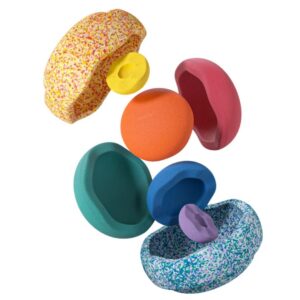
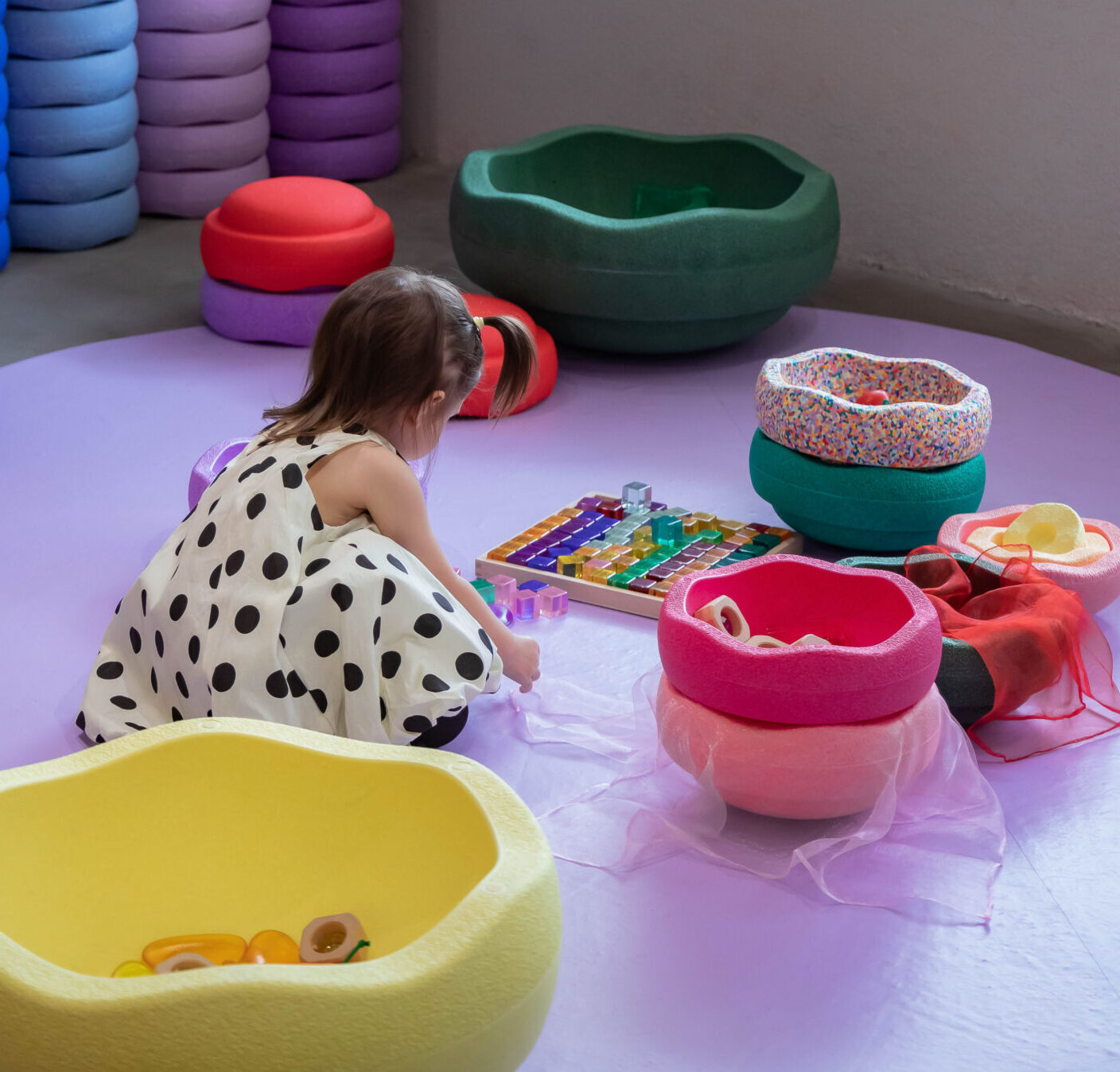
Stapelstein® จากเยอรมนีคือตัวอย่างที่ชัดเจน ก้อนหินซ้อนธรรมดาที่ไม่มีไฟ ไม่มีเสียง แต่เด็กใช้ฝึกการทรงตัว การจัดลำดับ และจินตนาการได้ตั้งแต่วัยคลานจนถึงประถม เพราะตัวก้อนหินเองไม่ได้บอกวิธีเล่น เด็กเป็นคนตัดสินใจเองทุกครั้ง
สรุปแบบสั้นๆ
ครั้งหน้าที่เห็นป้าย “มอนเตสซอรี่” แปะบนของเล่น ลองถามก่อนว่า ของเล่นชิ้นนี้ให้ลูกเป็นคนคิดเอง หรือของเล่นเป็นคนคิดแทนลูก — คำตอบนั้นแหละคือตัวชี้วัดที่แท้จริง
Montessori at Home: How to Actually Choose Montessori Toys
Walk into almost any toy shop today and you’ll find the word “Montessori” stamped on everything from wooden blocks to plastic gadgets with flashing lights and sound effects. Which raises a fair question: what actually makes a toy Montessori, and what’s just a label that sells better?
Montessori, in Plain Terms
The Montessori method centers on self-directed learning through hands-on activity rather than being taught. The core idea is giving a child the freedom to explore, complete an activity independently, and learn from mistakes without correction from an adult standing over them. A toy that genuinely follows this principle doesn’t entertain the child — it opens a door for the child to discover something themselves.
Four Things to Check Before Trusting the “Montessori” Label
- No lights, no music, no buttons — Genuine Montessori materials tend to be simple, with no external stimulus doing the work for the child. The goal is for the child to produce the outcome — not press a button and watch the toy perform.
- Real, tactile materials — Wood, stone, fabric, metal — natural materials that offer genuinely different textures and weights, giving children richer sensory feedback than a single uniform piece of plastic.
- The right level of challenge — A good toy should sit just at the edge of what a child can “almost” do — enough to keep them trying, not so easy it requires no thought, and not so hard they give up.
- Adjustable difficulty as the child grows — The best Montessori materials work across several developmental stages — simple play for a toddler, more complex configurations as they get older — without needing to buy a new toy each time.
A Toy That Genuinely Passes the Checklist
Germany’s Stapelstein is a clear example. No lights, no sound — just stacking stones a child uses for balance, sequencing, and imaginative play from crawling age right through primary school. The stones themselves don’t dictate how to play; the child decides, every single time.
The Short Version
Next time you see “Montessori” on a toy label, ask one question: does this toy let your child do the thinking, or does the toy do the thinking for them? That’s the real test.
สินค้าที่อยู่ในบทความนี้


Stapelstein® Rainbow Set
-
Planning and organisation
-
Hand muscle development